

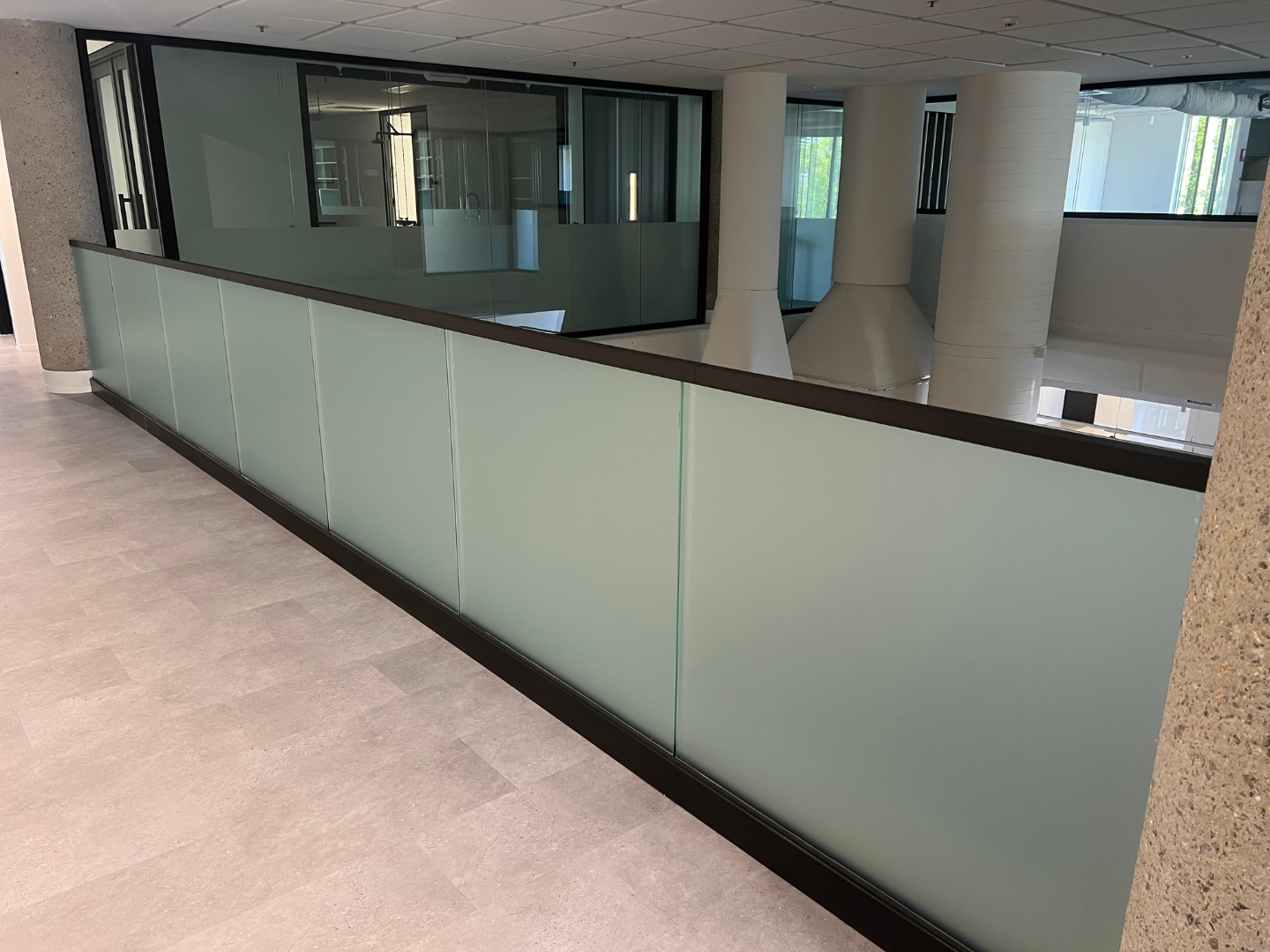
If you own a balcony apartment in South Coast and you are debating whether glass balcony railings are worth the investment, you are not alone. Thousands of South Coast homeowners, strata committees, and apartment renovators ask this question every year. The short answer is yes — but only when the glass is correctly specified, approved, and installed to Australian standards.
This guide covers everything you need to know. We walk through strata approval rules in NSW, compliance requirements under the National Construction Code, cost factors as of 2026, and why glass outperforms metal in almost every practical category for South Coast apartments and high-rise buildings.
Whether your balcony faces the harbour, overlooks a leafy suburb, or sits ten storeys up on a coastal block, the right glazing solution makes a significant difference — in looks, safety, and long-term value.
Australian Building Standards and What They Require for Balcony Railings
Before considering any railing system, it is essential to understand what Australian law actually requires. Balustrades and railings are structural safety elements. They are not cosmetic additions.
The key standards governing glass balcony railings in Australia are:
- AS 1288:2006 — Glass in Buildings: This standard covers glass selection, installation, and thickness requirements for balustrades and railings.
- AS/NZS 1170.1 — Structural Loading: This standard sets the minimum horizontal load that a balustrade must withstand.
- National Construction Code (NCC) Volume 1: The NCC specifies minimum railing heights and load-bearing requirements for Class 2 to 9 buildings, which includes most South Coast apartment buildings.
Verified Fact — Australian Building Code Authority
Under the NCC, balustrades on balconies, decks, or landings that are more than 1 metre above the ground must have a minimum height of 1000 mm. For openable balcony areas where the fall is greater than 4 metres, climbability restrictions also apply. Source: Australian Building Codes Board (ABCB) — NCC
Additionally, glass used in balustrades must be classified as safety glazing. Toughened glass and laminated glass both qualify under AS 1288. Your glazier is required to document the glass specification and provide a certificate of compliance with each installation. This documentation matters enormously if you ever need to sell the property or lodge an insurance claim.
It is also worth noting that the use of glass in construction, particularly for structural and safety applications, is a well-established and extensively regulated discipline in Australia. The standards exist to protect lives, not to complicate renovations.
Verified Fact — Standards Australia
AS 1288 requires glass balustrades to withstand a concentrated horizontal load of at least 0.75 kN applied at the top rail, or 1.5 kN per linear metre as a distributed load for public or residential balconies. Source: Standards Australia
Therefore, when you choose glass as your balcony railing material, you are not trading safety for aesthetics. Properly installed and certified glass is as structurally sound as steel or aluminium — and in many cases, more resistant to long-term environmental degradation.
Navigating Strata Approval for Glass Railings in NSW
Strata approval is one of the most common sticking points for South Coast apartment owners. If your building is managed by an owners corporation, you cannot simply install new glass balcony railings without following the correct approval process.
Under the Strata Schemes Management Act 2015 (NSW), alterations to common property — including balcony balustrades — typically require approval from the owners corporation. Balconies in many South Coast strata buildings are classified as common property or limited common property, even though they feel private.
Verified Fact — NSW Fair Trading
Under the Strata Schemes Management Act 2015 (NSW), owners must seek approval from their owners corporation before altering common property. Some strata schemes have by-laws that specifically permit certain cosmetic or renovations changes without a special resolution. Always review your strata by-laws first. Source: NSW Fair Trading
So, practically speaking, here is what the process typically looks like for a South Coast strata apartment:
Check Your Strata By-Laws
Obtain a copy of your strata scheme’s by-laws from the owners corporation or NSW Land Registry. Look for any clauses relating to balcony modifications, external alterations, or cosmetic changes.
Prepare a Detailed Proposal
Your proposal should include drawings, glass specifications, compliance certificates, and installer credentials. A thorough proposal increases your approval chances significantly.
Submit to the Owners Corporation
Lodge your proposal for the next scheduled strata meeting. Some approvals require a simple majority vote. Others need a special resolution, depending on the extent of the alteration.
Check Council Requirements
In most cases, replacing like-for-like balustrades does not require a Development Application (DA). However, substantial changes may require a complying development certificate. Check with your local South Coast council to confirm.
Engage a Licensed Installer
Once approved, engage a licensed glazier to complete the installation with full documentation. This protects you legally and satisfies strata and council requirements.
Importantly, having a professional glazier prepare the technical components of your strata application makes a measurable difference. Strata committees are far more likely to approve proposals that come with certified drawings, engineer sign-offs, and clear NCC compliance documentation.
At Shine Glass, we regularly assist South Coast apartment owners with the technical documentation needed for strata submissions. Our team understands exactly what committees need to see.
Glass Balcony Railings vs Metal Railings: Which One Actually Wins?
This is one of the most-searched questions among South Coast renovators. The comparison between glass and metal — particularly aluminium — is not as straightforward as it might seem. Each material has genuine strengths. However, for most modern South Coast apartments and high-rise balconies, glass consistently comes out ahead.
Glass Balcony Railings
- Unobstructed views from every angle
- Wind protection across the full panel width
- Corrosion-free glass panels (stainless fittings recommended)
- Easy to clean with basic glass cleaner
- Timeless, high-end visual appeal
- Increases perceived property value
- Toughened or laminated safety glass options
- Minimal maintenance over 20+ year lifespan
Metal (Aluminium or Steel) Railings
- Lower upfront cost for basic systems
- Obstructs views with vertical balusters
- Wind passes through open railing gaps
- Powder-coated aluminium is low maintenance
- Steel can corrode near coastal areas
- More DIY-friendly for basic repairs
- Available in many colours and profiles
- Standard aesthetic — less premium appeal
Furthermore, the long-term maintenance comparison strongly favours glass. Aluminium powder coating can chip, fade, and require repainting over time. Steel corrodes in salt-air environments — a major concern for coastal South Coast suburbs. Toughened glass, by contrast, does not corrode, chip, or fade. It simply needs regular cleaning.
“For South Coast apartments where views, light, and lifestyle matter, glass wins every time. The maintenance savings alone justify the premium over a 10-year ownership period.”
For high-rise buildings specifically, the structural performance of glass is also extremely well-established. Modern laminated glass panels used in frameless balustrade systems are engineered to withstand significant wind loads and lateral forces — a critical factor for elevated South Coast balconies.
Explore our glass balustrade range to see the system options we install across South Coast.
Why Glass is the Best Railing Choice for Coastal Sydney Apartments
Sydney is a coastal city. Salt air, humidity, and UV exposure affect every external building material — and balcony railings are fully exposed. Choosing the wrong material for a coastal or near-coastal balcony means expensive repairs within just a few years.
Toughened glass panels are inherently resistant to salt air. Glass does not corrode, rust, or oxidise. The critical factor for coastal installations is the specification of the fittings and framing. For Sydney balconies in coastal zones — particularly in suburbs like Coogee, Cronulla, Manly, and Bondi — marine-grade stainless steel fittings (316 grade) are essential. Standard 304-grade stainless steel can show surface corrosion within one to two years in highly saline environments.
Additionally, low-iron glass offers another performance upgrade for coastal apartments. Standard float glass has a slight green tint, which becomes noticeable in large panels. Low-iron glass (sometimes called ultra-clear glass) has a higher light transmission rating and a neutral tone — making views crisper and more natural, particularly over ocean or harbour outlooks.
Consequently, for coastal Sydney projects, we always recommend:
- Toughened or laminated safety glass panels
- 316-grade marine stainless steel spigots and fittings
- Low-iron glass for premium view clarity
- Annual inspection of fittings and sealants
Our team at Shine Glass sources and installs marine-grade systems specifically suited to Sydney’s coastal conditions. We understand the salt air challenge — because we work with it every day.
Does a Glass Balcony Railing Actually Block the Wind?
This question comes up constantly in South Coast renovation forums — and the answer is a clear yes. Solid glass panels provide significantly greater wind deflection than open-bar metal railings. This is one of the most underrated practical advantages of glass for high-rise or coastal Sydney balconies.
Open metal railings with vertical balusters allow wind to pass through almost unimpeded. At height, this can make an outdoor balcony genuinely uncomfortable to use — particularly in South Coast’s prevailing easterly winds. Glass panels, however, redirect airflow over and around the structure rather than through it.
As a result, balconies with solid glass railings are typically usable in a far wider range of weather conditions. Furniture stays put. Outdoor dining is more comfortable. Children and pets are far less affected by wind gusts. For high-rise South Coast apartments — where wind speed increases with elevation — this is a genuinely meaningful quality-of-life improvement.
It is also worth noting that for structural wind load compliance on high-rise buildings, glass balustrade systems are engineered specifically to handle significant lateral forces. A licensed glazier will calculate the required panel thickness and spigot spacing based on the building’s height zone and wind classification under AS/NZS 1170.
How Glass Balcony Railing Installation Works in South Coast
Understanding the installation process helps you ask the right questions and avoid unqualified contractors. Glass balustrade installation is not a DIY job — not in Australia, and certainly not on a balcony above ground level.
There are two primary installation systems used for glass balcony railings in South Coast apartments:
1. Spigot-Mounted Frameless Systems
Spigots are metal posts — typically 316-grade stainless steel — that are drilled and anchored into the floor or structural slab. Glass panels slot into the spigots and are secured with a clamping mechanism. This creates a completely frameless look with minimal hardware visible. It is the most popular system for premium South Coast apartments.
2. Channel-Mounted Systems
A continuous aluminium or stainless steel channel is fixed along the base of the balcony perimeter. Glass panels are inserted into the channel and secured with setting blocks and structural silicone. Channel-mounted systems are particularly common in renovation projects where the existing slab or floor surface restricts spigot drilling.
Regardless of the system, the installation sequence typically follows this pattern:
Site Measure and Assessment
A licensed glazier visits your South Coast property to measure the balcony perimeter, assess the substrate, check the structural slab condition, and confirm wind zone classification. Every panel is custom-fabricated to exact measurements.
Glass Fabrication
Panels are cut and toughened or laminated at the factory to your specified dimensions. Toughening cannot be done after cutting, so factory-certified fabrication is essential. Lead times typically range from 2 to 4 weeks.
Substrate Preparation
Core drilling or channel fixing is completed. Structural anchors are installed and inspected before any glass is placed. Waterproofing around penetrations is critical for balcony longevity.
Panel Installation and Alignment
Glass panels are positioned, levelled, and fixed. Each panel is checked for plumb and alignment. Gaps between panels are finished with approved sealants to maintain weather resistance.
Compliance Check and Documentation
The completed installation is checked against AS 1288 and NCC requirements. A certificate of installation and compliance documentation is provided for your records, strata, and council files.
At Shine Glass, we handle the full process — from site measure through to compliance certification. We service South Coast-wide from our locations at 8B Alice St, Caringbah South NSW 2229 and Unit 3/45 Heathcote Road, Moorebank NSW 2170. Call us on 0418 400 945 or email jeremy@shineglass.com.au to arrange a measure and quote.
What Does Glass Balcony Railing Installation Cost in South Coast?
Cost transparency is something the glazing industry does not always handle well. Vague price ranges frustrate homeowners and make it difficult to budget properly. Below, we provide honest indicative ranges based on current market conditions — with full disclaimers.
Pricing Disclaimer: The following price ranges reflect indicative market figures as of mid-2026 based on South Coast glazing industry pricing. They are not fixed quotes. Actual costs vary significantly depending on balcony size, glass thickness, installation complexity, access, building height, fittings specification, and site conditions. Always request a site-specific written quote from a licensed glazier before budgeting.
Indicative Cost Ranges — South Coast(as of mid-2026)
Semi-Frameless Glass Balustrade
- Aluminium or steel top rail
- Glass panels in a framed channel
- Approx. $350 – $550 per linear metre
- Good for renovation budgets
- Widely used in strata buildings
Fully Frameless Glass Balustrade
- 316 stainless steel spigots
- No top rail or framing visible
- Approx. $550 – $900 per linear metre
- Premium finish and unobstructed views
- Most popular for South Coast apartments
Note: Prices above are indicative ranges for supply and installation in South Coast, as of mid-2026. Coastal projects requiring marine-grade hardware, or high-rise buildings requiring specialised access equipment, may attract additional costs. Always confirm current pricing directly with your glazier.
Furthermore, several factors push costs higher or lower. Access is one of the biggest variables. A ground-floor balcony costs less to service than a 15th-floor apartment requiring a crane or building access system. Panel size matters too — fewer large panels cost less in labour than many small ones. Glass thickness is also a direct cost driver; thicker glass required for higher wind zones commands a premium.
To get an accurate glass balcony railing installation cost for your South Coast property, contact Shine Glass for a free, no-obligation measure and quote.
Keeping Your Glass Balcony Railing Looking its Best Year-Round
One of the most compelling arguments for glass over metal is maintenance. Properly installed glass balustrades require remarkably little upkeep. Nevertheless, a consistent basic routine keeps them performing and looking their best for decades.
Regular Cleaning
Glass panels attract dust, salt residue, and water marks — especially in coastal Sydney suburbs. Fortunately, cleaning is straightforward. A mild soap solution and a squeegee, followed by a clean microfibre cloth, removes most build-up effectively. Avoid abrasive pads, harsh solvents, and acidic cleaners. These damage the glass surface and degrade silicone sealants.
For heavy salt residue on coastal balconies, a diluted white vinegar solution works well before the soap rinse. Rinse thoroughly with fresh water afterwards to prevent residue streaking.
Annual Fitting Inspection
Even high-quality 316-grade stainless steel fittings benefit from an annual inspection. Check spigots for any surface discolouration, tighten any loosened clamp bolts, and inspect silicone sealants around the base channel for cracking or separation. Addressing minor issues early prevents costly repairs later.
What to Avoid
- Pressure washing directly at fitting joints — this forces water into anchor points
- Leaning heavy objects against glass panels
- Using steel wool or abrasive scrubbers on glass surfaces
- Allowing fertiliser or pool chemicals to sit on fittings
For our clients with glass pool fencing in addition to balcony railings, the maintenance routines are almost identical — which makes glass the obvious system choice when you are installing multiple glazed elements across a South Coast property.
With proper care, toughened or laminated glass balustrades genuinely last 20 to 30 years or more. That lifespan compares very favourably against any metal railing system in South Coast’s outdoor conditions.
Frequently Asked Questions About Glass Balcony Railings
How much do glass balconies cost?
Glass balcony railing systems in South Coast typically range from $350 to $900 per linear metre for supply and installation, as of mid-2026. The range depends on whether you choose a semi-frameless or fully frameless system, the glass thickness required, the fitting specification, and site access. Always request a site-specific written quote rather than relying on averages.
Are glass railings good or bad?
Glass railings are an excellent choice for most modern South Coast balconies. They are safe, structurally sound, extremely durable, and low-maintenance. Toughened and laminated safety glass fully complies with Australian standards. They also improve wind protection, maximise natural light, and consistently add to a property’s visual appeal and market value.
How much does a glass balustrade cost per metre in Australia?
As of mid-2026, glass balustrade installation in Australia ranges from approximately $350 to $900 per linear metre. Semi-frameless systems sit at the lower end. Fully frameless frameless systems with 316-grade stainless hardware sit at the upper range. Coastal projects and high-rise buildings may attract additional charges for marine-grade fittings or specialised access. Prices will vary — always get a quote specific to your project.
Are glass railings expensive?
Compared to basic aluminium railings, glass carries a higher upfront cost. However, the near-zero maintenance requirement, 20-to-30-year lifespan, and positive impact on property value make glass highly cost-effective over the ownership period. Many South Coast homeowners find the long-term savings offset the initial premium within 7 to 10 years.
What is the Australian standard for glass balustrades?
Glass balustrades in Australia must comply with AS 1288:2006 (glass selection and installation), AS/NZS 1170.1 (structural loading), and the National Construction Code (NCC). Balustrades on balconies or decks more than 1 metre above ground must reach a minimum height of 1000 mm. All glass used must be classified as safety glazing (toughened or laminated).
Do you need planning permission for a glass balustrade in NSW?
In most NSW cases, replacing an existing balustrade with a glass system does not require a Development Application (DA). However, strata approval is typically required for apartment balconies, and a complying development certificate may apply for more substantial structural changes. Always verify requirements with your local South Coast council and strata committee before proceeding.
What is the cheapest option for balustrade?
Basic aluminium or tubular steel balustrades are generally the most affordable option. Semi-frameless glass systems occupy the middle ground — offering a glass aesthetic at a lower cost than fully frameless installations. For budget-conscious renovators who still want glass, semi-frameless is the recommended starting point.
Can you fit a glass balustrade yourself in Australia?
DIY installation of glass balustrades is strongly discouraged in Australia. Balustrades are regulated structural safety elements. Installation must be completed by a licensed contractor. The work requires structural engineering sign-off, compliance certification, and documentation for strata and council records. Unlicensed installation also voids insurance coverage and creates significant liability exposure.
Does a glass balcony railing block wind effectively?
Yes, significantly. Solid glass panels deflect wind far more effectively than open-bar metal systems. On Sydney’s elevated or coastal balconies, this makes a real difference to day-to-day usability. Wind is redirected over and around the glass rather than through the railing, creating a noticeably more sheltered outdoor space.
How long do glass balcony railings last?
High-quality toughened or laminated glass panels have an indicative lifespan of 20 to 30 years or more with proper care. Using 316-grade marine stainless steel fittings in coastal Sydney environments extends fitting longevity significantly. Regular cleaning and annual inspection of fittings further maximises the system’s working life.
Is tempered glass or laminated glass better for balcony railings?
Both comply with AS 1288. Laminated glass is generally preferred for frameless installations because the interlayer holds shattered fragments together, reducing injury risk. Toughened glass shatters into small, blunt fragments. Your glazier will recommend the most appropriate type based on your balcony’s configuration, height, and application.
Does installing glass railings add value to an apartment?
Generally, yes. Real estate agents and property valuers in South Coast consistently note that modern, frameless glass balustrades positively contribute to a property’s appeal and perceived value. The open visual connection between interior and exterior spaces is a key selling point for South Coast apartments with views or outdoor entertaining areas.
Final Thoughts: Are Glass Balcony Railings the Right Choice for Your South Coast Apartment?
For the vast majority of South Coast apartment owners, the answer is yes. Glass balcony railings deliver a combination of safety, compliance, durability, and visual quality that no metal system can match at the same level. When properly specified, professionally installed, and correctly maintained, they outperform every alternative over a 20-plus year timeframe.
The strata approval process in NSW is manageable with the right preparation. Australian building standards are well-established and clearly defined. Costs, while higher upfront than basic metal alternatives, represent excellent long-term value given the minimal maintenance requirements and the lifespan of quality glass systems.
Moreover, for Sydney’s coastal apartment market — where salt air, wind exposure, and premium views are defining features of everyday living — glass is simply the most logical material choice. It protects against wind, resists corrosion, maintains clarity over decades, and transforms any balcony into a genuinely usable outdoor living space.
If you are ready to upgrade your South Coast balcony with professionally installed, fully compliant glass railings, the team at Shine Glass is here to help. We also install glass pool fencing, shower screens, and glass splashbacks and mirrors across South Coast.
