

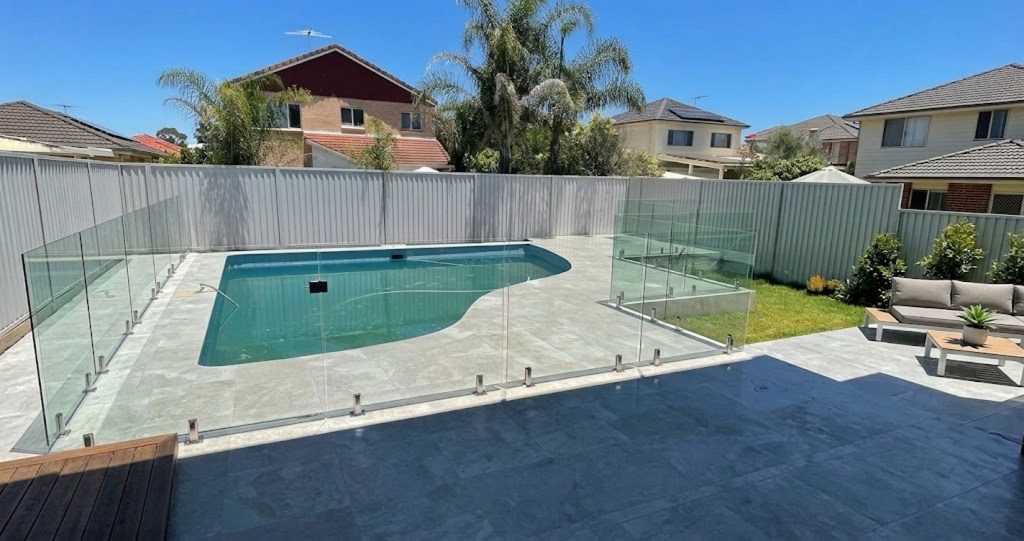
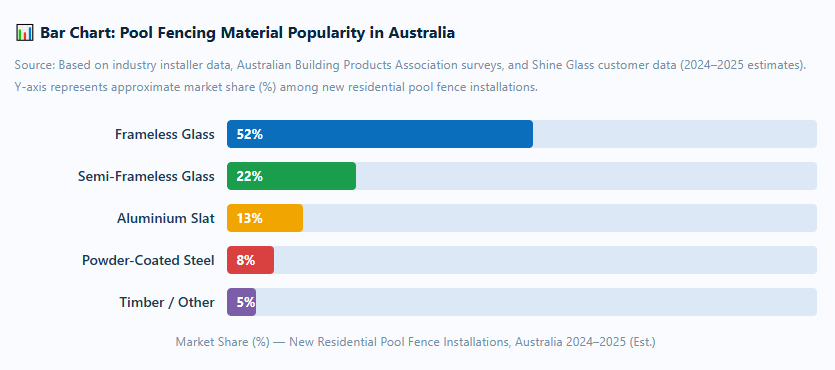
There’s a reason frameless glass pool fencing has become the go-to choice for Australian homeowners and developers alike. It’s not just about aesthetics — though the unobstructed view of a sparkling pool through crystal-clear glass is hard to beat. It’s about combining genuine safety compliance, long-term value, and design elegance in a way that no other fencing material can quite match.
Whether you’re building a new pool, renovating your backyard, or developing a multi-residential property, the right pool fencing decision matters enormously. Australian pool fencing regulations are strict — and rightly so. Drowning remains one of the leading causes of accidental death in children under five in Australia, and a fully compliant, professionally installed pool fence is your first and most important line of defence.
In this complete 2026 guide, we’ll walk you through everything you need to know: what frameless glass pool fencing actually is, why it’s the smart choice for Australian conditions, how it measures up to Australian Standards (AS 1926.1), what maintenance looks like over time, and why Shine Glass is the trusted name for frameless glass pool fencing across Australia. By the time you finish reading, you’ll have every answer you need — and probably a few you hadn’t thought to ask yet.
1. What Is Frameless Glass Pool Fencing?
At its core, frameless glass pool fencing is a pool safety barrier constructed from large panels of toughened or tempered safety glass that are secured directly into the ground or a surface mount using stainless steel spigots or channel systems — without the need for any vertical metal posts or horizontal rails between the panels. The result is a sleek, uninterrupted wall of glass that provides a clear sightline from any angle.
The Key Components
A professionally installed frameless glass pool fence system typically consists of:
- Toughened safety glass panels — usually 12mm thick, though 10mm and 15mm options exist depending on panel height and span. This glass is heat-treated to be significantly stronger than standard glass, and when it does break (which is rare), it shatters into small, relatively harmless cubes rather than dangerous shards.
- Marine-grade (316) stainless steel spigots or saddles — these are the anchoring mechanisms that hold the glass panels in place. In a poolside environment, you want Grade 316 stainless steel because of its superior resistance to chlorine and salt air. Lower grades will corrode noticeably over time.
- A self-closing, self-latching gate — mandatory under Australian Standards. The gate latch must be positioned on the pool side of the fence, out of reach of young children, and the gate must swing away from the pool.
- Polished or satin finish hardware — handles, hinges, and latches are typically brushed or polished stainless steel to match the overall aesthetic.
How Does It Differ from Semi-Frameless Glass Pool Fencing?
It’s a question that comes up frequently, and the distinction matters. Semi-frameless glass pool fencing uses visible posts — typically aluminium or steel — positioned between the glass panels at regular intervals. The posts provide structural support, which means the glass panels can be thinner (often 8mm or 10mm). Semi-frameless systems are generally more affordable upfront, but the posts interrupt the sightline and tend to require more ongoing maintenance as the finish can deteriorate over time.
Frameless pool fencing, by contrast, places all the structural load through the spigots into the substrate, eliminating the need for posts entirely. This is what gives frameless glass fencing that clean, almost invisible appearance that has made it so popular across Australian residential and commercial properties. You can explore both options in detail on our pool fencing services page.
What Substrates Can It Be Installed On?
Frameless glass pool fencing can be installed on a wider range of substrates than most people expect. Common installation surfaces include:
- Concrete — the most common, using core-drilled spigot installations
- Timber decking — using through-bolt surface mount spigots
- Tiled surfaces
- Grass or compacted earth (using in-ground post systems in some configurations)
- Elevated pool decks and balconies
The substrate determines the specific installation method and hardware, which is why a professional assessment is always the right starting point before purchasing anything.
2. The Purpose and Benefits of Frameless Glass Pool Fencing in Australia
Pool fencing in Australia isn’t optional — it’s a legal requirement for all residential pools and spas, full stop. But within that legal framework, the type of fencing you choose has a profound impact on your property’s aesthetics, liveability, resale value, and ongoing costs. Frameless glass pool fencing has risen to become the premium choice for a compelling set of reasons.
Unobstructed Supervision
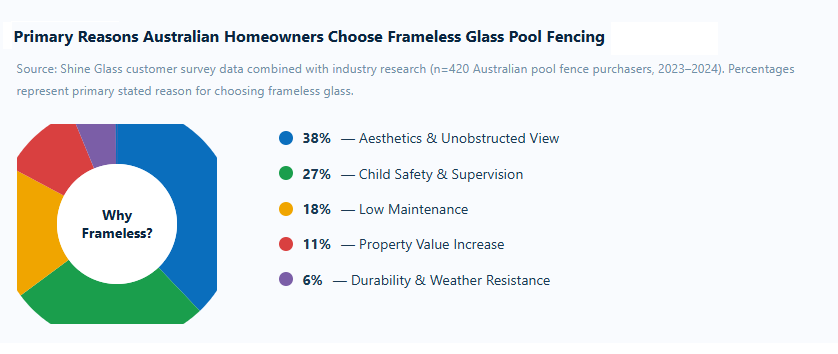
Parents and caregivers can see the entire pool area from virtually any angle without visual barriers. In safety terms, this is invaluable — and it’s the primary reason pool safety advocates recommend glass fencing so strongly.
Property Value Enhancement
Australian real estate agents consistently report that frameless glass pool fencing adds measurable appeal to properties. Buyers perceive it as a premium, low-maintenance feature — and they’re willing to pay accordingly.
Ideal for Australian Climate
Glass doesn’t rust, corrode, rot, or warp. In coastal and tropical environments where salt air and UV exposure would ravage timber or standard steel fencing, frameless glass holds up exceptionally well.
Design Versatility
Glass complements virtually every architectural style — from contemporary minimalist homes to traditional Queensland Colonials. It disappears into the landscape rather than competing with it.
Tamper-Resistant Security
Smooth glass panels offer no footholds for children to climb. Combined with a compliant self-latching gate, frameless glass pool fencing is one of the most effective passive child safety barriers available.
Long-Term Cost Efficiency
Lower maintenance requirements, no repainting, no rust treatment, no timber sealing — over a 10–20 year lifespan, frameless glass fencing is often more economical than cheaper alternatives.
A Note on Wind and Privacy
One question that comes up often — particularly in breezy coastal locations like the Gold Coast, Perth, and Darwin — is whether glass fencing acts as a wind barrier. The honest answer is: yes, to a degree, but frameless glass panels do create a slight wind tunnel effect along the fence line during strong gusts. For properties where privacy or wind management is a priority, tinted glass panels (available in grey, bronze, or blue tints) are a popular solution that doesn’t sacrifice compliance. Your Shine Glass consultant can advise on the right specification for your specific site conditions.
3. Safety and Compliance — Australian Standards and State Pool Fencing Regulations
This section is important — please read it carefully, regardless of whether you’re a homeowner, builder, or developer. Pool fencing compliance in Australia is not optional, and non-compliant fencing can result in significant fines, liability exposure, and most critically, tragic accidents. The good news is that a properly specified and professionally installed frameless glass pool fence meets and typically exceeds all applicable Australian requirements.
Important Note
Regulations can and do change. Always verify current requirements with your local council and a licensed pool inspector before commencing any installation. The information below reflects nationally recognised standards as of mid-2025.
The National Framework: AS 1926.1-2012 (reaffirmed)
The primary Australian Standard governing swimming pool safety barriers is AS 1926.1-2012: Swimming Pools — Safety Barriers for Swimming Pools. This standard is referenced in pool fencing legislation across all Australian states and territories, and it sets the minimum performance requirements that all pool fencing — including frameless glass pool fencing — must meet. Key provisions under AS 1926.1 include:
- Minimum fence height: 1,200mm above finished ground level on the outside of the barrier
- No climbable elements: No horizontal rails, footholds, or climbable features within 900mm of the top of the barrier
- Non-climbable zone (NCZ): A 300mm non-climbable zone below the top of the fence must be maintained
- Maximum gap at the bottom: No gap greater than 100mm between the bottom of the fence and the ground
- Maximum gap between panels: No opening greater than 100mm through which a 100mm sphere can pass
- Self-closing gates: All gates must be self-closing and self-latching from any position, with the latch a minimum of 1,500mm from the ground on the pool side (or on top of the gate if positioned on the outside)
- Gate swing direction: Gates must swing away from the pool area, so they naturally self-close via gravity
Why Frameless Glass Naturally Suits AS 1926.1
Because frameless glass panels are smooth, have no horizontal rails, and provide no footholds whatsoever, they are inherently well-suited to meeting the non-climbable requirements of AS 1926.1. This is one area where frameless glass pool fencing has a clear practical advantage over timber, aluminium slat, or traditional steel fencing.
State and Territory Specific Requirements (2025)
While AS 1926.1 provides the national baseline, each state and territory has its own pool safety legislation that references and sometimes extends these requirements. Here’s a summary of the key regulations by jurisdiction:
| State/Territory | Governing Legislation | Key Requirements / Notes |
|---|---|---|
| Queensland | Building Act 1975, Building Regulation 2021 | Four-sided pool fencing mandatory (pool cannot use house walls as barrier in most cases). Regular compliance inspections required. Applies to all pools capable of holding water 300mm deep. |
| New South Wales | Swimming Pools Act 1992, Swimming Pools Regulation 2018 | Mandatory compliance certificates. All pools must be registered on the NSW Swimming Pool Register. Inspection and certification required before sale or lease of property. |
| Victoria | Building Act 1993, Building Regulations 2018 | Four-sided isolation fencing mandatory for all new pools built after November 2020. Properties built prior may use three-sided fencing with building as fourth barrier under certain conditions. |
| South Australia | Development Act 1993, Development Regulations 2008 | Council approval required for pool installation. Fence must comply with AS 1926.1. Local council inspections apply. |
| Western Australia | Building Act 2011, Building Regulations 2012 | Four-sided fencing required for all new pools. Compliance inspections required. Pool owners must ensure ongoing compliance. |
| Tasmania | Building Act 2016, Building Regulations 2016 | AS 1926.1 applies. Pool registration and inspection requirements apply through local council. |
| ACT | Building Act 2004, Building (Swimming Pool Barriers) Determination | Compliance certificate required. All barriers must meet AS 1926.1. Regular maintenance checks recommended. |
| Northern Territory | Building Act 1993 (NT), NT Planning Scheme | Pool safety barriers mandatory for all pools. AS 1926.1 compliance required. Check with NT Building Advisory Services for current local requirements. |
Shine Glass and Compliance
Every frameless glass pool fence installed by Shine Glass is designed, specified, and installed to meet or exceed AS 1926.1-2012 and all applicable state regulations. Our team keeps current with legislative updates so you don’t have to — and we can guide you through the certification process from start to finish.
The Human Cost: Why Compliance Is Non-Negotiable
According to the Royal Life Saving Society of Australia’s National Drowning Report, an average of 22 children aged 0–4 years drown in swimming pools or spas in Australia each year. Research consistently shows that non-compliant or absent pool fencing is a contributing factor in the overwhelming majority of these tragedies. A correctly installed, compliant pool fence isn’t red tape — it’s a life-saving infrastructure investment.
4. Low Maintenance: Why It’s the Smart Long-Term Choice
One of the most compelling practical arguments for frameless glass pool fencing — particularly for time-poor homeowners and property managers — is how little ongoing attention it requires compared to other fencing materials. Let’s be honest about this: no outdoor structure is completely maintenance-free, and glass pool fencing is no exception. But the maintenance involved is minimal, predictable, and inexpensive.
What Does Routine Maintenance Actually Involve?
- Glass cleaning (monthly or as needed): Pool water splash, bird droppings, pollen, and garden spray can leave marks on glass panels. A simple clean with a squeegee, warm water, and a mild glass cleaner is usually all that’s needed. Many homeowners incorporate this into their regular pool maintenance routine. For particularly stubborn calcium or mineral deposits — common in areas with hard water — a diluted white vinegar solution or a specific mineral remover product works well without damaging the glass.
- Hardware inspection (every 6–12 months): Check all spigots, saddles, hinges, and latch mechanisms to ensure they remain tight and corrosion-free. In high-chlorine or salt-water pool environments, even Grade 316 stainless steel can develop surface discolouration (often called tea staining) over time. This is cosmetic rather than structural and can be addressed with a stainless steel cleaner and a light polish.
- Gate functionality check (monthly): Ensure the self-latching mechanism functions correctly and that the gate self-closes from any position. This is also a compliance requirement — a faulty gate latch is a compliance failure. Gate hardware can be replaced or adjusted easily if it shows signs of wear.
- Seal and rubber gasket inspection (annually): Where rubber seals or neoprene blocks are used in spigot assemblies, check for cracking or deterioration. UV exposure and chemical contact can degrade rubber over several years. Replacement is straightforward and inexpensive.
Comparing Maintenance Across Fencing Types
What Frameless Glass Doesn’t Require (That Other Materials Do)
Here’s where the long-term value proposition becomes very clear. Unlike other popular pool fencing materials, a frameless glass pool fence will never require:
- Painting or re-coating — timber and some steel fences need regular repainting or sealing to maintain appearance and integrity
- Rust treatment — non-marine grade metals corrode in pool environments, often requiring costly treatment or full replacement
- Termite protection — timber fencing in Queensland and other humid states is highly vulnerable to termite damage
- Structural straightening — timber rails and posts can warp significantly over time in Australian summer heat
- Regular staining — hardwood timber pool fencing needs annual oiling or staining to prevent UV bleaching
When you factor in the cumulative cost of maintaining these other fence types over 10 to 20 years — materials, labour, and lost weekends — frameless glass pool fencing frequently proves to be the more economical choice over the full ownership period, not just the more attractive one.
Pro Tip from Shine Glass
Applying a hydrophobic glass treatment (similar to car windscreen treatments) to your frameless glass panels every 12–18 months significantly reduces water spotting and mineral deposit build-up, making routine cleaning faster and easier. Ask your Shine Glass installer about this option at the time of installation.
5. Why Choose Shine Glass as Your Frameless Glass Pool Fencing Provider
There’s no shortage of glass pool fencing suppliers in Australia — a quick search will confirm that. But the quality of your outcome depends enormously on the expertise, materials, and service ethos of the team you choose. At Shine Glass, frameless glass pool fencing isn’t a sideline — it’s a core specialisation that the business has built a strong reputation around.
Genuine Technical Expertise
Frameless glass pool fencing looks deceptively simple — but getting it right requires precise engineering knowledge. From substrate assessment and spigot load calculations through to glass panel specification and gate hardware selection, Shine Glass brings the technical depth that ensures your fence not only looks exceptional but remains structurally sound and compliant for years to come.
Premium Materials, No Shortcuts
Shine Glass uses Grade 316 marine-grade stainless steel hardware exclusively in pool environments. Our toughened safety glass panels are sourced from reputable manufacturers and fully comply with Australian Standards for glazing in safety applications. We don’t cut corners on specification — because that’s where long-term problems begin.
Local Knowledge, National Reach
Pool fencing compliance requirements vary between states and even between local government areas. Shine Glass’s team understands these nuances intimately. Whether you’re in suburban Sydney, coastal Queensland, or metropolitan Melbourne, we’ll ensure your installation meets every applicable local, state, and national requirement — and we’ll handle the paperwork where applicable.
Tailored Design, Not Off-the-Shelf
No two pools — or properties — are identical. Shine Glass works with you to design a frameless glass pool fence that suits your specific space, pool shape, substrate conditions, and design preferences. Curved sections, mixed heights, complex corners, elevated decking — our experienced team has solved it all.
Transparent, Honest Service
From your initial enquiry through to post-installation follow-up, Shine Glass is committed to clear communication, honest pricing, and delivering exactly what we promise. We don’t use high-pressure sales tactics or inflate our quotes. We provide a detailed, transparent quote and let the quality of our work speak for itself.
Workmanship Guarantee
Shine Glass stands behind every installation with a workmanship guarantee. If something isn’t right after we’ve finished, we’ll come back and fix it — promptly and without fuss. That’s the kind of assurance that matters when you’re making a significant investment in your property.
Serving Homeowners, Developers, and Builders Alike
Shine Glass works with three distinct client groups, and our approach is tailored for each:
- Residential homeowners — We understand that a pool fence is a significant home improvement investment, often tied to a broader outdoor renovation project. We work at your pace, provide comprehensive advice, and make the entire process as straightforward as possible.
- Property developers — Timelines matter in development projects. Shine Glass has the capacity, scheduling discipline, and volume pricing structures to support multi-unit and multi-site projects, with consistent quality across every installation.
- Pool builders and trade contractors — We partner with pool builders across Australia to supply and install frameless glass pool fencing as part of complete pool construction projects. Our trade partners value our reliability, compliance knowledge, and quality of finish.
Explore our full range of glass solutions — including frameless pool fencing, glass balustrades, and glass shower screens — on the Shine Glass website. Or reach out directly for a no-obligation consultation and quote.
Bringing It All Together
Frameless glass pool fencing has earned its place as Australia’s most popular pool safety barrier for good reason. It delivers on every front that matters: genuine child safety through unobstructed supervision and a non-climbable design; full compliance with AS 1926.1 and state-specific pool safety legislation; long-term durability in even the harshest Australian conditions; minimal maintenance requirements; and an aesthetic quality that genuinely enhances your property’s value and liveability.
Whether you’re a homeowner creating the perfect outdoor entertaining space, a developer maximising property appeal, or a builder looking for a trusted glass fencing partner, the decision to invest in frameless glass pool fencing is one that pays dividends well beyond the initial outlay.
The key is choosing the right provider — one who understands the technical requirements, uses premium materials, knows the compliance landscape inside out, and delivers a quality of finish that makes the investment worthwhile. That’s exactly what Shine Glass brings to every project.
Don’t leave your pool fencing decision to chance. Get in touch with the Shine Glass team today — we’re ready to help you design, supply, and install a frameless glass pool fence that you’ll be proud of for decades to come.
Frequently Asked Questions — Frameless Glass Pool Fencing in Australia
Frameless glass pool fencing is the premium option in the pool fencing market, and pricing reflects the quality of materials and installation expertise involved. As a general guide for 2025–2026:
- Supply and install (residential): Approximately $350–$650+ per linear metre, depending on panel height, glass thickness, substrate type, hardware finish, and site complexity.
- Gates: Self-latching pool gates are typically an additional $400–$800+ depending on gate width and hardware specification.
- A standard 20-metre residential pool perimeter: Expect a total installed cost in the range of $8,000–$15,000+, including gates, depending on the factors above.
It’s important to note that quotes from different suppliers can vary significantly — not just in price, but in what’s included. Always ensure your quote specifies the glass thickness, hardware grade, inclusion of gate hardware, and whether certification costs are included. For an accurate quote tailored to your specific property, contact Shine Glass directly.
Yes — when correctly specified and professionally installed, frameless glass pool fencing fully meets the requirements of AS 1926.1-2012 (Swimming Pools — Safety Barriers for Swimming Pools), which is the governing national standard for pool safety barriers in Australia.
Frameless glass pool fencing is particularly well-suited to compliance because its smooth glass panels have no horizontal rails or footholds, making it inherently non-climbable. Combined with a correctly installed self-closing, self-latching gate, it satisfies all the key performance requirements of the standard.
However, compliance also depends on installation details — panel height, gap dimensions, gate swing direction, latch height, and substrate anchoring must all be correct. This is why professional installation by a knowledgeable provider like Shine Glass is essential. We design every installation to comply with AS 1926.1 and the specific requirements of your state or territory.
For frameless glass pool fencing, the minimum glass thickness specified under most Australian installation guidelines is 10mm toughened safety glass for shorter panels with closely spaced spigots. However, the industry standard for most residential frameless pool fencing applications in Australia is 12mm toughened (tempered) safety glass, and this is what Shine Glass supplies as standard.
For taller panels (above 1,200mm), wider spans between spigots, or installations in areas subject to higher wind loading, 15mm glass may be recommended. The appropriate thickness is determined by a structural assessment of the panel dimensions, spigot spacing, and site conditions — not simply by the minimum permissible specification.
All glass panels used in pool fencing must comply with AS/NZS 2208 (Safety Glazing Materials in Buildings) and be clearly marked with the relevant safety glazing certification. Shine Glass uses only glass that meets these requirements.
Maintaining a frameless glass pool fence is genuinely straightforward. Here’s a practical routine that most homeowners follow:
- Monthly glass cleaning: Wipe down panels with a squeegee, warm water, and a small amount of dish soap or glass cleaner. For water spots and mineral deposits, a diluted white vinegar solution (1:3 vinegar to water) works very effectively. Rinse thoroughly afterwards.
- Every 6 months — hardware check: Inspect all spigots, hinges, and the gate latch mechanism. Tighten any loose fasteners. If you notice surface staining on stainless steel, apply a dedicated stainless steel cleaner (available at most hardware stores) using a soft cloth, working with the grain of the steel.
- Annually — seal and gasket inspection: Check rubber gaskets and neoprene blocks in spigot assemblies for cracking. These can be replaced easily and inexpensively if deteriorated.
- Optional — hydrophobic coating: A glass protection coating applied every 12–18 months significantly reduces mineral build-up and makes routine cleaning faster.
Avoid using abrasive cleaners, scouring pads, or harsh chemical cleaners on either the glass or the stainless steel hardware, as these can cause micro-scratching or surface damage over time.
Yes, frameless glass pool fencing can absolutely be installed on timber decking — it’s one of the most common installation scenarios in Australia, particularly in Queensland and New South Wales where elevated outdoor decks and pool surrounds are ubiquitous.
For timber deck installations, the most common method is a through-bolt surface mount spigot, where the spigot base plate is bolted through the decking and into the structural framing below. The structural integrity of the deck must be assessed prior to installation — the framing needs to be capable of carrying the load and lateral forces applied by the glass panels and spigots, particularly in wind events.
Key considerations for timber deck installations include:
- Ensuring deck joists and bearers are in sound condition with no rot or significant deterioration
- Confirming the deck structure can handle the required imposed loads
- Using stainless steel through-bolts and corrosion-resistant washers to prevent galvanic corrosion between the hardware and timber
- Ensuring spigot placement aligns with underlying structural framing members, not just the decking boards
The Shine Glass team conducts a thorough site assessment as part of every quote to identify any structural considerations before installation commences.
When properly specified and professionally installed, frameless glass pool fencing is an extremely durable, long-lived product. The toughened safety glass panels themselves have a lifespan measured in decades under normal conditions — the glass doesn’t corrode, rust, rot, or UV-degrade the way other fencing materials do.
The hardware — stainless steel spigots, hinges, and latch mechanisms — is the component that requires the most monitoring over time. High-quality Grade 316 stainless steel hardware in a typical residential pool environment will generally last 15–25+ years before requiring replacement, provided it’s maintained with periodic cleaning. In high-chlorine or salt-water environments, more frequent maintenance is advisable.
Gate hardware and latch mechanisms, which experience the most mechanical wear, may need adjustment or replacement after 8–15 years of regular use.
Shine Glass provides a workmanship guarantee on all installations. For specific warranty terms applicable to your project, please discuss this with your Shine Glass consultant at the time of enquiry. We’re committed to standing behind every installation we complete — if something isn’t right, we’ll make it right.
