

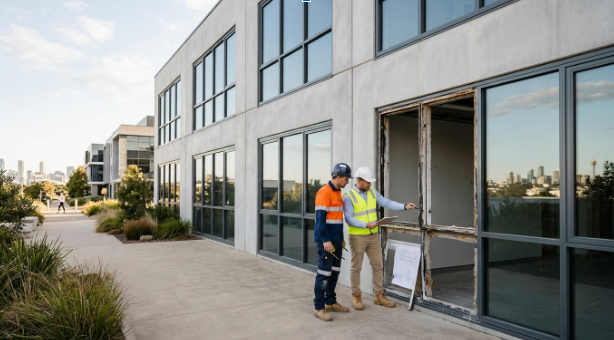
Choosing the right commercial window installers is about more than finding someone who can fit a pane of glass. For a business owner, builder or property manager, the right contractor needs to understand the project scope, specify suitable materials, work within site constraints and make responsibilities clear before installation begins.
Whether you are fitting out a retail space, upgrading an office or replacing damaged commercial windows, the wrong appointment can create avoidable delays, unexpected variations and uncertainty about who will resolve defects. However, a clear set of questions helps you compare proposals on more than price alone.
The best starting point is to check relevant experience, documented qualifications, the proposed glazing system, quotation inclusions, installation planning and the handover process. Check out the nine questions below that you may use when contacting commercial glazing companies in Sydney, then compare their answers before making a decision.
Why Choosing the Right Commercial Window Installers Matters
Commercial glazing must suit the way a building is designed, occupied and maintained. A ground-floor shopfront, an office window replacement and a larger building façade can have very different requirements for access, framing, safety, weather protection and coordination with other trades.
A professional-looking sample or competitive quote does not automatically prove a contractor can deliver the full scope. Before appointing window and door installers, clarify what they will supply, what they will install, which decisions require approval, and who is responsible if something doesn’t match the agreed specification.
9 Questions to Ask Commercial Window Installers Before You Hire
1. Have you completed projects similar to mine?
Ask for examples that match your project type rather than accepting general statements about years in the glazing industry. Relevant experience could involve commercial shopfronts, office fit-outs, new window installations, or replacement work in an occupied building.
Ask what the contractor supplied and installed, what challenges arose, and whether they can provide photographs or references for comparable work. A company experienced in residential glass products may still be a suitable option for some commercial work, but its specific experience with your required system should be established rather than assumed.
2. What qualifications, licences and insurance can you document?
Ask which business entity will contract for the work, who will supervise it, and whether any specialist subcontractors will be involved. Request relevant licence details, qualifications and evidence of insurance, including public liability cover where appropriate. Also, confirm that the documentation is current and covers the work being proposed.
In NSW, licensing requirements depend on the type and circumstances of the work. Consult theNSW Government guidance on glazing work and licensing to check the requirements relevant to your project; do not assume that every commercial contract follows the same rules.
If your project needs formal compliance records or approvals, identify who will obtain and supply them before work starts. A verbal assurance is not a substitute for documentation when documentation is required.
3. Which glass, frames, and hardware are included?
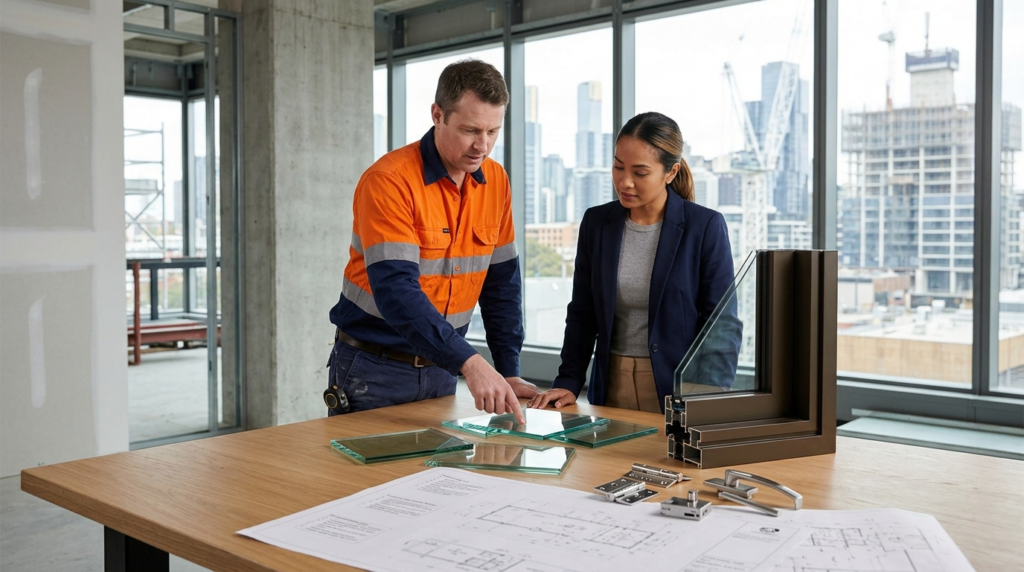
Ask for the proposed system to be described in writing. Depending on the project, relevant details may include the glass type, framing material, hardware, seals, finish, dimensions, and applicable performance requirements. The correct specification should follow the project documentation, site conditions, and relevant regulatory requirements, not a generic recommendation.
Also, clarify whether the quote covers the complete window assembly or only the glass component. For a commercial glazing project, that distinction can affect who supplies the frames, coordinates hardware, installs seals, and resolves compatibility issues. Request confirmation of any proposed alternatives before approving a substitution.
4. Who will take the final measurements and confirm the drawings?
Ask who is responsible for the final site measurements, checking opening dimensions and resolving differences between drawings and actual conditions. This is particularly important in renovation work, where existing openings may not match older plans or the assumptions used during an initial estimate.
For a new installation, establish which drawings or shop drawings need approval and who confirms them. Agree on the point at which measurements become final for fabrication. Clarifying these responsibilities early helps reduce the risk of incorrectly sized components, rework, and disputes about who should pay for a change.
5. What exactly does your quote include and exclude?
Request an itemised proposal that separates materials, supply, installation and other project costs where applicable. Make sure you check whether removal of existing windows, disposal, delivery, access equipment, traffic or pedestrian management, finishing work and GST are included. Also identify permits, engineering, builder’s work and other trades that may sit outside the glazing contract.
The objective is not to eliminate every possible variation; it is to understand which conditions could change the price and how that change will be communicated before additional work proceeds. So, ask how unforeseen site conditions, client-requested changes, and specification substitutions will be priced and approved.
When comparing glass contractors, make sure each is pricing the same scope. A lower total can reflect fewer inclusions, different materials, or work that another contractor has priced separately.
6. How will you coordinate with the builder and other trades?
Ask who will be the main contact and how the glazing work fits into the wider construction or fit-out programme. Commercial installations can depend on completed openings, structural work, waterproofing, access arrangements and the readiness of surrounding finishes.
Clarify who confirms site readiness, organises deliveries, communicates changes and checks that preceding work is complete. If other contractors need to attend before or after the glazing team, agree on the sequence and responsibilities. Good coordination is not just a convenience; it helps prevent one incomplete task from delaying several other trades.
7. What is the installation schedule and disruption plan?
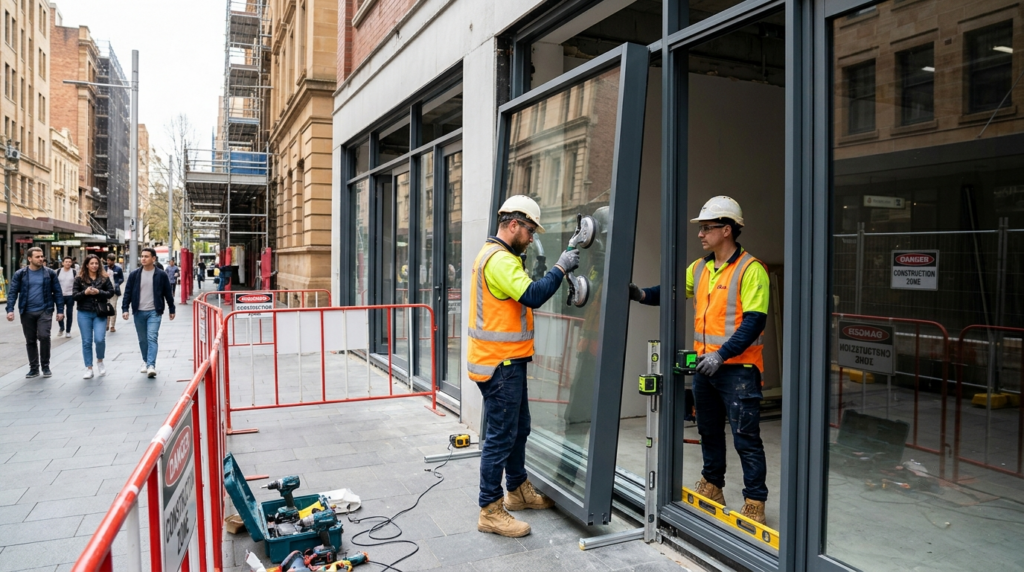
Ask for an indicative start date, expected duration, key dependencies and any conditions that could affect the programme. If the premises will remain open, discuss safe access, noise, deliveries, temporary barriers and the areas that may be unavailable while work is under way.
Shopping centres, offices and other managed sites may have their own inductions, delivery windows and permitted working hours. So, confirm who arranges the required access and whether work outside normal operating hours is available for your particular project. Most importantly, do not rely on an estimated completion date until the critical dependencies are understood.
8. What happens if there is a defect after installation?
Before signing, clarify the inspection and handover process and ask how the installed work will be checked against the approved scope, how damage or defects will be recorded, and who will arrange rectification. Depending on the contract, useful handover records may include product information, maintenance instructions and relevant compliance documents.
Request written details of applicable product warranties and workmanship warranties, including their scope, duration, exclusions, and claim procedure. Also, find out how concerns such as damaged glass, faulty hardware, poor finishing, or a suspected installation issue will be assessed. A clear process makes it easier to distinguish a product issue from an installation issue and agree on the next step.
9. Who will manage communication throughout the job?
Establish whether you will deal with a dedicated project contact, the installer directly, or several different people. Ask how frequently progress will be communicated, how urgent issues will be raised, and who has authority to approve variations.
Agree on how decisions, revised drawings and changes to the programme will be recorded. For a builder or property manager, a clear communication process is especially valuable when several stakeholders share responsibility for the site. The aim is to know who will provide an answer and how important decisions will be documented.
How to Compare Commercial Glazing Quotes
Once you have answers to the nine questions, compare each proposal against the same criteria. Record unclear items as questions rather than assuming they are included in the price.

| Comparison point | What to check | What needs clarification |
| Experience | Comparable projects and a clear description of the contractor’s role. | General claims without relevant examples. |
| Scope | Glass, frames, hardware, installation and finishing responsibilities. | Items omitted or described as provisional. |
| Price | Itemised costs, GST, exclusions and variation process. | Unclear allowances or work priced separately elsewhere. |
| Programme | Site readiness, access requirements and installation sequence. | Dates dependent on unspecified approvals or other trades. |
| Handover | Inspection, defect management and applicable documentation. | No agreed process for checking or rectifying the work. |
Use the same project information when requesting each quote. If one proposal does not clearly identify an inclusion or responsibility, ask the contractor to confirm it in writing before you compare final totals. This gives you a fairer basis for assessing value and reduces the chance of discovering different assumptions after work has started.
Pre-Appointment Checklist for Commercial Window Installers
Use this checklist during supplier calls and before accepting a proposal. Tick each item when you have received a clear answer or the relevant document.
- Experience: Comparable commercial projects or references have been reviewed.
- Credentials: Relevant qualifications, licences and insurance have been checked for the proposed work.
- Specification: Glass, frames, hardware and installation responsibilities are documented.
- Measurements: Final measurements, drawings and approval responsibilities are agreed.
- Quotation: Inclusions, exclusions, GST and the variation process are clear.
- Coordination: Access, site readiness, delivery and trade sequencing are addressed.
- Programme: Timing, disruption and working-hour arrangements are understood.
- Handover: Inspection, defect rectification and applicable warranties are documented.
- Communication: A main contact and a process for recording decisions have been agreed.
If several items remain unanswered, resolve them before appointing the contractor. A proposal that explains the scope and responsibilities clearly is easier to manage than one that leaves important decisions until installation begins.
New Window Installation vs Commercial Window Replacement
For a new installation, focus on the relationship between drawings, approved specifications, opening preparation, access, and the sequence of trades. Establish which party confirms dimensions and which approvals are needed before fabrication or installation.
For replacement work, ask additional questions about the existing frame, removal method, disposal, access to the affected area, and protection of nearby finishes. Older openings may reveal conditions that cannot be assessed fully until the existing assembly is removed. Agree on how such discoveries will be reported, priced, and approved before extra work proceeds.
In an occupied building, also discuss temporary security, weather protection and any interruption to business operations. The right approach depends on the actual building and scope, so make sure the quote addresses the circumstances of your project rather than assuming replacement and new installation are identical.
Do You Need a Window Installer or Another Glass Contractor?
Not every company offering glass services undertakes every type of commercial window installation. Ask whether the contractor can deliver the required window or door assembly or is quoting only for the glass component. The distinction matters when frames, specialised hardware, seals or coordination with other trades are involved.
A provider may also offer glass balustrades, a frameless glass balustrade, glass balcony railings or staircase glass panels. Other products may include glass splashbacks and mirrors, a glass pool fence or a frameless pool fence. Those services can be relevant to a broader building project, but they do not automatically establish experience with commercial window systems. Match the contractor’s demonstrated work to the task you need completed.
When assessing commercial glazing in Sydney, look for evidence that relates to the actual scope, then confirm availability and service coverage before arranging a site visit. Clear requirements help you shortlist the right type of contractor without relying on broad service descriptions alone.
Frequently Asked Questions
Compare relevant project experience, applicable credentials, written specifications, quote inclusions, installation planning and the defect-handling process. Ask the same questions of each shortlisted installer so you can compare like with like.
It should clearly describe the proposed system, materials, supply and installation scope, costs, GST, exclusions, timing assumptions and variation process. Check whether removal, disposal, access equipment and finishing work are included where relevant.
Licensing depends on the work and circumstances. The NSW Government publishes guidance on glazing work and relevant licensing requirements. Check that guidance and confirm the requirements applying to your specific project before appointment.
Not on price alone. First check whether the quotes cover the same specification, materials, labour, access arrangements, finishing, documentation and defect responsibilities. A meaningful comparison includes both cost and scope.
Not necessarily. A glass contractor may specialise in glass replacement, balustrades or other glazing products, while a commercial window installation project may require a complete window system, including frames, hardware and associated work. Confirm the exact capability you need.
Ask how the contractor will assess the existing frames and openings, remove the old assembly, protect surrounding finishes, manage waste, and address concealed problems. Clarify how unexpected work will be approved and priced.
Discuss Your Commercial Glazing Requirements
A well-scoped project starts with clear requirements and an honest discussion about the work involved. Also, before requesting a proposal, gather your site address, approximate quantities, available drawings, photographs, and any relevant project specifications.
If your project is within the service area and fits the services available, contact Shine Glass through its enquiry page to discuss your requirements. Then you may ask for clarification on the proposed scope, documentation, and next steps before making an appointment decision.
