

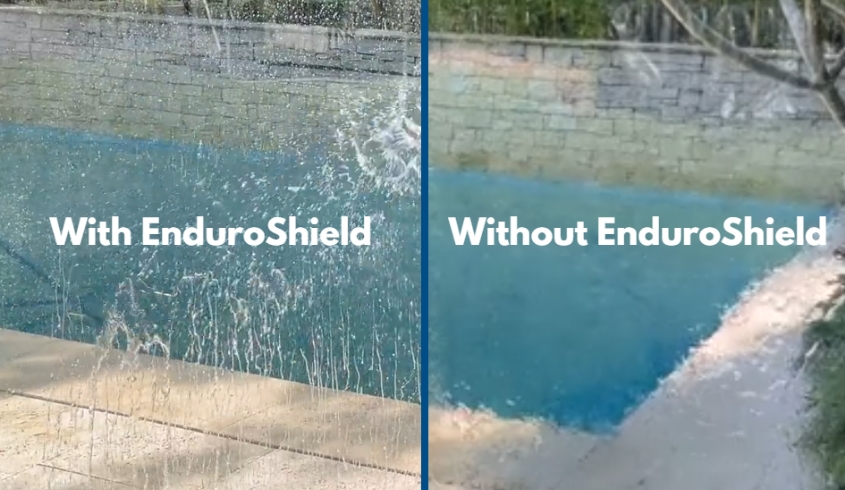
Applying a protective glass coating to your shower screen, pool fence, or balustrade is one of the smartest decisions a Sydney homeowner can make. Yet most people put it off until they are scrubbing mineral stains off etched glass every weekend. This guide answers the real questions: does it actually work, how long will it last, is a DIY kit good enough, and what does professional application genuinely add? Whether you have brand-new glass or ageing panels showing hard water damage, what follows will help you make the right call before spending a cent.
What Protective Glass Coating Actually Does to Your Glass Surface
At its core, a protective glass coating is a nano-technology treatment. It bonds chemically to the glass surface at a microscopic level. This creates an ultra-thin, invisible hydrophobic layer. Water, oils, soap, and mineral salts bead off rather than spreading across the panel.
Untreated glass is microscopically porous. Every shower, splash, or rainfall leaves behind dissolved minerals and organic residues. Over time, these deposits etch into the surface. The damage becomes permanent without serious restoration work. Consequently, prevention is dramatically cheaper than correction.
Furthermore, the coating also reduces the frequency of cleaning needed. Sydney households with treated glass typically report spending significantly less time cleaning shower screens and pool fencing. That alone justifies the investment for many homeowners.
Glass surfaces treated with hydrophobic coatings require up to 90% less cleaning effort compared with untreated glass, according to product performance testing data cited by EnduroShield Australia.
How the Nano-Bond Works on Architectural Glass
The chemistry behind glass sealants for bathrooms and outdoor panels is straightforward. Silane-based compounds are applied to the clean glass surface. These molecules then bond covalently to the silica (SiO2) structure of the glass itself. The result is a surface energy reduction. Water droplets form a contact angle above 100 degrees rather than spreading flat.
This is why treated glass visually repels water in sheets. Additionally, the reduced surface energy prevents soaps, body oils, sunscreen, and algae from adhering. Glass balustrades and pool fencing panels benefit enormously from this property.
To understand the science in broader context, Wikipedia’s article on hydrophobicity provides a well-sourced explanation of the nano-coating mechanism and contact angle theory relevant to glass surfaces.
DIY Kits Versus Professional Application: What the Difference Really Is
This is the question most Sydney homeowners wrestle with first. DIY glass coating kits are widely available online and in hardware stores. Meanwhile, professional application involves trained technicians using commercial-grade products and proper preparation equipment.
Critically, the gap between both options is not just about product strength. It is primarily about surface preparation.
DIY Glass Coating Kits
- Entry-level consumer-grade formulas
- Surface preparation is minimal and user-dependent
- Application technique is inconsistent without training
- Typical lifespan: 1 to 2 years
- Lower upfront cost but more frequent reapplication
- Suitable for new glass in low-exposure areas
- No warranty or performance guarantee
- Risk of streaking or uneven bonding
Professional Application
- Commercial-grade nano-coating products
- Full acid wash, abrasive polish, and decontamination
- Trained technicians with controlled application tools
- Typical lifespan: 3 to 10 years depending on product
- Higher upfront cost with long-term savings
- Suitable for all glass surfaces including coastal exposure
- Often backed by manufacturer warranty
- Even molecular bond across the entire panel
Surface preparation is the decisive factor. Professional technicians chemically strip the glass of all existing mineral deposits, soap scum, and biological residues before applying any coating. If the surface is not perfectly clean and decontaminated, the nano-coating bonds to contaminants rather than the glass itself. This drastically reduces performance and lifespan.
Therefore, for shower screens, pool fencing, and glass balustrades in Sydney exposed to weather, salt, or chlorinated water, professional application delivers results that DIY kits simply cannot match.
Shower Screens, Hard Water, and Why Sydney Glass Suffers Faster
Sydney’s water supply, drawn primarily from catchments in the Blue Mountains and Woronora regions, is generally classified as soft to moderately hard. However, local water treatment processes introduce compounds that can still deposit mineral residues on glass over time. Combined with soap, shampoo, and body products, shower screens face daily chemical assault.
Specifically, protective glass coating for shower screens prevents the accumulation cycle before it starts. Without protection, each shower leaves behind a thin calcium and magnesium film. This film traps soap residue. Then the next shower adds another layer. Within weeks, a milky haze develops. Eventually, this becomes physical etching that no household cleaner will remove.
Moreover, frameless shower screens and semi-frameless designs expose more glass to direct water contact. These premium installations in Sydney bathrooms are particularly worth protecting. The glass coating cost in Sydney for a standard shower screen is modest compared to the cost of glass restoration or full panel replacement.
When to Apply Coating for Shower Screens
Ideally, apply a coating immediately after new glass installation and before the first shower. At this stage, the glass is perfectly clean, uncontaminated, and bonds optimally with nano-coating products.
Consequently, Shine Glass includes protective coating options alongside new shower screen installations in Sydney. This approach ensures maximum bonding and long-term performance from day one.
For existing shower screens showing early signs of spotting, professional preparation and coating is still far more cost-effective than glass replacement. However, if etching has already occurred, coating alone cannot restore clarity. Restoration must precede protection.
Protective Coating for Pool Fence Glass in Sydney: A Category Often Overlooked
Pool fencing glass faces a uniquely hostile environment. Chlorine vapour, salt (in saltwater pools), sunscreen residues, calcium deposits from splash, UV radiation, and biological growth all attack the glass surface simultaneously. Furthermore, pool fencing is outdoors, meaning seasonal variation compounds the problem.
Protective coating for pool fence glass in Sydney is therefore not optional for anyone who wants their frameless glass to remain clear and visually striking. Without a proper glass sealant applied at installation, the glass will show a progressive milky haze within one to two Sydney summers.
Additionally, chlorinated water is particularly aggressive. Chlorine oxidises organic matter on the glass surface and accelerates calcium carbonate deposition from pool water chemistry. A hydrophobic nano-coating prevents water from sheeting across the panel. Instead, water beads and rolls off, taking contaminants with it.
If you are investing in frameless glass pool fencing in Sydney, factoring in a professional protective coating from the start is the right approach. It extends the clarity and aesthetic life of your pool area significantly.
Best Glass Coating for Coastal Salt Air: What Sydney Suburbs Need to Know
Sydney’s coastal suburbs face an additional layer of glass degradation that inland areas do not. Salt particles carried in the air from beaches deposit on glass surfaces constantly. Areas including Cronulla, Maroubra, Bondi, Manly, Dee Why, and surrounds all sit within the salt-affected zone defined by Australian building standards.
Salt is particularly corrosive to untreated glass. It is hygroscopic, meaning it draws moisture and holds it against the glass surface. Over time, salt crystallisation physically pits and abrades the glass. Combined with coastal UV intensity, the degradation in these areas is noticeably faster than in inland suburbs.
Therefore, the best glass coating for coastal salt air environments must meet a higher standard. Products need stronger molecular bonding, superior UV resistance, and confirmed salt spray test performance. Professional-grade systems tested against salt spray standards are the minimum recommended specification for coastal Sydney glass installations.
According to Australia’s National Construction Code (NCC), buildings within specific distances of breaking surf beaches must comply with elevated corrosion and durability specifications. Glass protection is an integral part of meeting these requirements over the long term.
Glass Splashbacks in Coastal Kitchens and Bathrooms
Beyond pool fencing and shower screens, glass splashbacks in Sydney kitchens near the coast also benefit from protective coating. Cooking vapours, grease, and humidity combine with ambient salt air in these spaces. A proper hydrophobic coating makes daily wipe-downs effortless and prevents permanent grease bonding to the surface.
EnduroShield Glass Coating: Professional Application and Why It Matters
EnduroShield is one of the most widely specified professional glass protection products in Australia. Developed and manufactured in Australia, it uses a proprietary nano-technology formulation that bonds covalently to glass at a molecular level. This is not a surface film or wax. Rather, it becomes part of the glass itself at a microscopic scale.
EnduroShield glass coating professional application involves multiple steps. First, the glass receives a full chemical strip and decontamination. Next, any surface etching or mineral deposits are polished off with specialist abrasive compounds. Then the EnduroShield product is applied in controlled conditions using professional applicators. Finally, the coating cures and bonds to create the permanent hydrophobic surface.
EnduroShield products applied by certified professionals come with manufacturer-backed warranties. This is a significant distinction from DIY kits, which offer no such guarantee. For a Sydney homeowner investing in quality shower screens, frameless pool fencing, or glass balustrades, this warranty provides real long-term peace of mind.
EnduroShield is certified to ISO 9001 Quality Management standards and has undergone independent testing for UV resistance, salt spray exposure, chemical resistance, and abrasion resistance. Product specifications are available from EnduroShield Australia directly.
Importantly, not every glass company offering coating services uses professional-grade products or follows correct preparation protocols. Always ask specifically about the preparation process and whether the product comes with a written manufacturer warranty before agreeing to any coating service.
How Long Glass Coating Lasts: Realistic Expectations for Sydney Conditions
The lifespan of any protective glass coating depends on three things: product quality, application standard, and how the surface is maintained afterwards. Marketing claims often quote maximum figures. Real-world performance in Sydney conditions is more nuanced.
Professionally applied premium coatings in controlled indoor environments like shower screens can last 7 to 10 years with proper maintenance. However, outdoor glass exposed to Sydney coastal conditions, pool chemistry, and UV radiation will experience faster degradation. Realistically, outdoor professional coatings need reassessment every 3 to 5 years.
DIY consumer kits typically last 12 to 24 months in standard indoor conditions. In outdoor or coastal applications, performance often degrades within one year without proper reapplication.
Furthermore, maintenance habits significantly affect longevity. Abrasive cleaners, acidic bathroom products, and steel wool will strip any coating prematurely. Understanding the correct cleaning approach is therefore as important as the coating itself.
Glass Coating Versus Glass Restoration for Etched Glass: Two Different Problems
This is one of the most misunderstood topics in the glazing industry. Glass coating prevents damage. Glass restoration repairs existing damage. They are not interchangeable.
If your shower screen or pool fencing glass already shows visible etching, white mineral haze, or pitting, applying a coating over it will seal in the damage permanently. It will not restore clarity. Restoration must come first.
Glass restoration for etched glass involves controlled abrasive polishing to physically remove the damaged silica layer. Specialist diamond-tipped polishing compounds and equipment are required. This process, done correctly, can recover significant clarity from damaged glass.
After restoration, applying a protective coating immediately is strongly recommended. The newly exposed silica surface is fresh and clean. It bonds optimally with nano-coating products. This combination delivers the best long-term outcome for glass that has already suffered mineral damage.
“The most expensive glass is glass you have to replace because you did not protect it when you had the chance. Coating costs a fraction of replacement. Always coat before the damage begins.” – Industry guidance, Australian Glass and Glazing Association
Cost Considerations for Glass Coating in Sydney: What to Expect
Pricing transparency is important. However, glass coating costs in Sydney vary considerably based on surface type, glass area, preparation requirements, and the specific product used. The figures below reflect general market ranges as of early 2026. Always obtain a current, written quote before committing.
Pricing Disclaimer – Valid as at June 2026
Standard shower screen (single panel): Approximately $150 to $350 for professional application including surface preparation.
Full shower enclosure: Approximately $300 to $600 depending on panel count and access.
Pool fencing per lineal metre: Approximately $30 to $80 per lineal metre for professional treatment.
Glass balustrades per lineal metre: Similar range to pool fencing.
DIY consumer kits (retail): Approximately $30 to $120 depending on kit size and brand.
These are indicative ranges only. Prices change over time. Always request a current written quote from your glazing professional.Source: Market survey of Sydney glazing and glass protection service providers, June 2026. Not verified by a regulatory body.
The long-term value calculation strongly favours professional coating. Consider that glass panel replacement for a frameless shower screen in Sydney typically costs between $800 and $2,500 or more depending on panel size. A professional coating costing $200 to $400, maintained correctly, extends the panel life by years and eliminates the cleaning labour cost over that period.
Additionally, some glazing companies, including Shine Glass in Sydney, bundle protective coating with new glass installations at a reduced rate. This is the most cost-efficient entry point for any homeowner installing new glass.
Maintaining Your Glass After Coating: The Simple Rules
Applying a protective coating does not mean zero maintenance. Instead, it means dramatically easier and less frequent cleaning. Following these simple rules protects the coating and maximises its lifespan.
- Use pH-neutral cleaners only. Acidic or alkaline cleaning products will degrade the nano-coating quickly. Choose products specifically labelled as safe for coated glass.
- Avoid abrasive tools. Steel wool, abrasive sponges, and powder cleaners scratch the coating surface and reduce hydrophobic performance rapidly.
- Squeegee after every shower. Even with a coating applied, a quick squeegee prevents water pooling and extends time between full cleans.
- Rinse outdoor glass regularly. For pool fencing and balustrades, a gentle freshwater rinse weekly removes salt, chlorine, and sunscreen residues before they accumulate.
- Inspect annually. Check for areas where the coating may have worn or been compromised. Spot reapplication by a professional extends overall coating life without full retreatment.
- Avoid pressure washers at close range. High-pressure water directed at seams or hardware can undermine the coating bond at panel edges.
With these habits in place, a professionally applied glass sealant will perform at its rated lifespan. Correct maintenance is genuinely the easiest way to get full value from any coating investment.
Frequently Asked Questions About Protective Glass Coating
Does glass coating work?
Yes, it works well when applied correctly to properly prepared glass. Professionally applied glass coatings create a hydrophobic barrier that significantly reduces water spotting, mineral buildup, and soap scum adhesion. Results vary based on product quality, preparation standard, and ongoing maintenance.
What is EnduroShield glass coating?
EnduroShield is an Australian-developed glass protection treatment that bonds covalently to the glass surface at a molecular level. It repels water, oils, and contaminants, making surfaces significantly easier to clean. It is available through certified professional applicators across Sydney.
How long does glass coating last?
Professional-grade coatings typically last between 3 and 10 years depending on surface exposure, cleaning habits, and product quality. DIY kits generally last 1 to 2 years. Outdoor and coastal applications experience faster degradation than indoor shower screen applications.
What is a glass protector?
A glass protector is a nano-technology based coating applied to glass surfaces. It creates an invisible barrier that resists water, stains, mineral deposits, and UV degradation. Modern glass protectors bond chemically to the silica structure of the glass itself rather than sitting as a removable film.
Which is better – glass coating or ceramic coating?
For architectural glass like shower screens and pool fencing, purpose-built glass coatings outperform ceramic coatings formulated for automotive use. Ceramic coatings are optimised for painted car surfaces. Purpose-built glass coatings bond more effectively to the silica structure of architectural glass panels.
What is the downside of ceramic coating on glass?
Ceramic coatings applied to architectural glass can be difficult to reapply evenly and may not bond as effectively as purpose-built glass treatments. They also require professional-grade surface preparation and are not specifically formulated for the chemical environment of bathroom or pool glass.
Should I ceramic coat my glass?
For shower screens, pool fencing, balustrades, and splashbacks, a purpose-built glass coating specifically designed for architectural use is more appropriate than a ceramic coating designed for automotive paint. Always use a product specified for the glass type and environment.
How much should a 2-year glass coating cost?
Indicatively, entry-level professional glass protection treatments for a standard shower screen in Sydney ranged from approximately $150 to $350 as of June 2026. Always request an itemised quote and ask specifically about the product used and warranty coverage before accepting any pricing.
What are the benefits of glass coating?
Key benefits include reduced cleaning frequency, prevention of hard water stains, protection from mineral etching, improved long-term surface clarity, resistance to soap scum and biological growth, and extended glass lifespan particularly in coastal or high-humidity Sydney environments.
Can glass coating be applied to pool fencing?
Yes. Glass pool fencing is one of the most beneficial candidates for protective coating. It is constantly exposed to chlorine, sunscreen, mineral-rich water, and UV radiation – all of which cause surface degradation rapidly without protection.
Does hard water permanently damage shower glass?
Repeated hard water exposure without protection can cause permanent mineral etching once it penetrates the silica surface layer. A protective coating applied before staining occurs is far more effective and affordable than restoration work after etching has set in.
Is glass coating worth it in Sydney?
For most Sydney homeowners, particularly those near the coast, in high-use bathrooms, or with pool fencing, a professional glass coating delivers measurable long-term value. It reduces cleaning time, prevents costly restoration or replacement, and keeps glass looking new for years longer than unprotected surfaces.
Can I apply glass coating myself after a professional clean?
Technically yes, but the application quality is critical. Professional technicians achieve even molecular bonding across the full panel surface. Without proper equipment and technique, DIY application after a professional clean may still result in patchy performance and reduced lifespan compared to a fully professional treatment.
How do I know if my glass coating has worn off?
The simplest test is the water bead test. Splash a small amount of water on the glass surface. If the water beads up and rolls off in tight droplets, the coating is still active. If the water spreads flat across the surface, the coating has degraded and reapplication should be considered.
Conclusion: Protect Your Glass Before It Needs Saving
Applying a protective glass coating is one of the most practical and cost-effective decisions a Sydney homeowner can make for any glass installation. Whether it is a frameless shower screen, a pool fence exposed to chlorine and sun, a glass balustrade facing salt air off the coast, or a kitchen splashback taking daily kitchen grease, the principle is consistent. Prevention is easier, cheaper, and smarter than restoration or replacement.
Furthermore, the difference between a DIY kit and professional application is real and measurable. Surface preparation determines whether any coating performs as expected. For high-value glass installations in Sydney, professional application with a warranted product is the clear choice.
Additionally, timing matters. New glass is the best canvas. Applying protection at installation maximises bonding, performance, and lifespan. If your existing glass is already showing water spots or early etching, professional assessment is the first step before any coating is applied.
Shine Glass works with Sydney homeowners across all glass types – from shower screens to pool fencing and balustrades – providing expert guidance on the right protective glass coating approach for every surface and environment. To protect the glass you have invested in, the next step is simply a conversation.
